Key Focus Areas
Tobacco Use
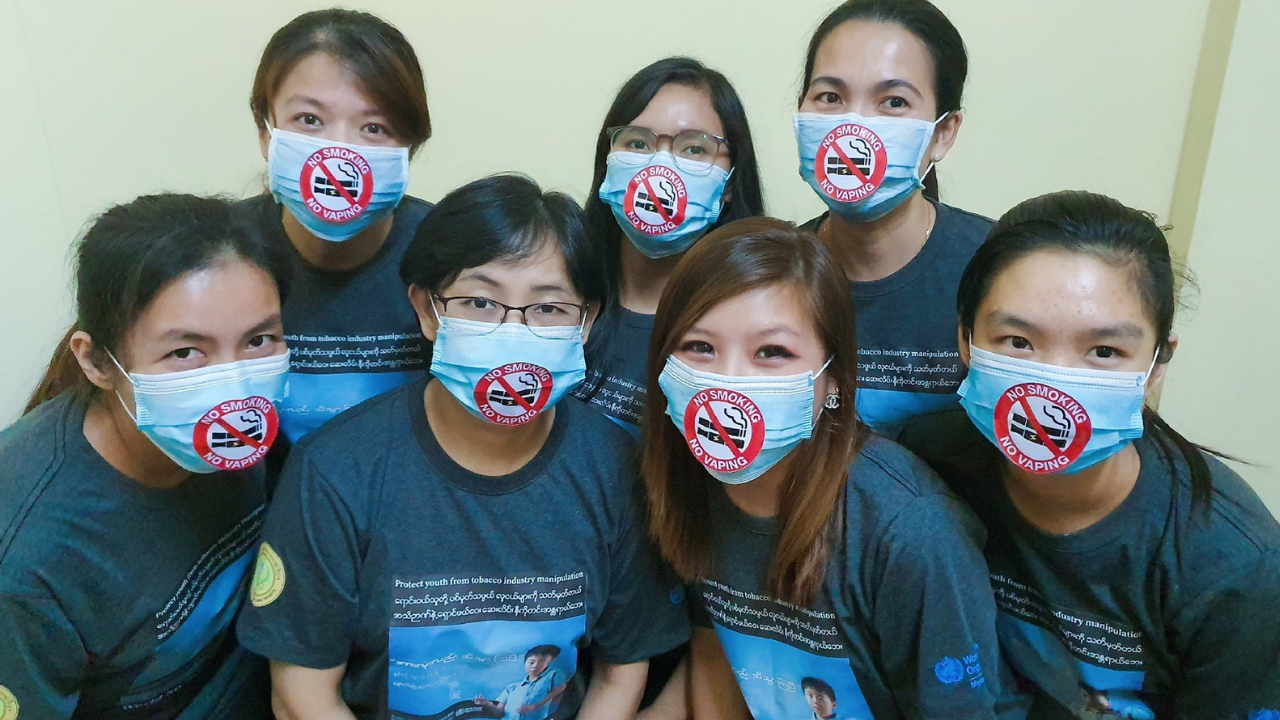
Effective tobacco control programs include smoke free environments; a complete ban of tobacco advertising, promotion and sponsorship; promotion of larger graphic health warnings with plain packaging on tobacco packs; smoking cessation programs; and a ban on electronic cigarettes, heated tobacco products, shisha and similar products.
Noncommunicable Diseases
NCD prevention and treatment services should be sustained and scaled up with their inclusion in COVID-19 responses as part of health security, and co-design and implement solutions with input from civil society, consumers and people living with NCDs.
Viral Hepatitis
Viral hepatitis is a major public health threat in the Asia Pacific region. Access to vaccinations, proper hygiene, elimination of mother to child transmission is needed by raising public awareness and strengthening health systems through public and private partnerships.
Tuberculosis
Stopping progression from infection to disease are critical to reduce TB incidence to the levels envisaged by the End TB Strategy. Health care interventions include TB preventive treatment for people living with HIV, tracing household contacts of people with TB and other risk groups; and vaccination of children with the bacille Calmette-Guérin (BCG) vaccine.
One Health
The One Health approach emphasizes the interconnectedness of people, animals, and the environment in shaping health outcomes. Collaborative action across sectors—human health, veterinary medicine, agriculture, and environmental sciences—is essential to prevent, detect, and respond to emerging health threats.

Summits
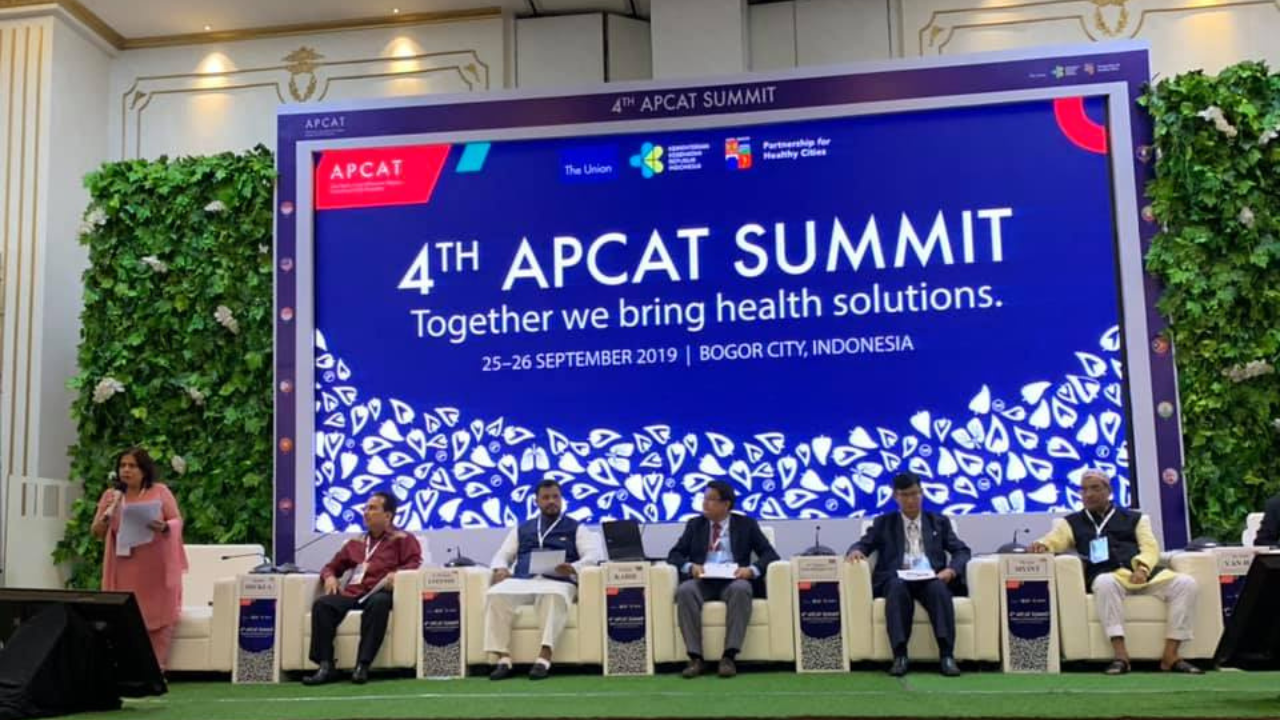
APCAT summits bring together representatives from cities, countries, civil society, and partner organizations to exchange experiences, and explore innovative solutions to health and development challenges. These annual gatherings provide a platform for collaboration, policy dialogue, and renewed commitments, enabling members to collectively address pressing issues and build healthier communities.